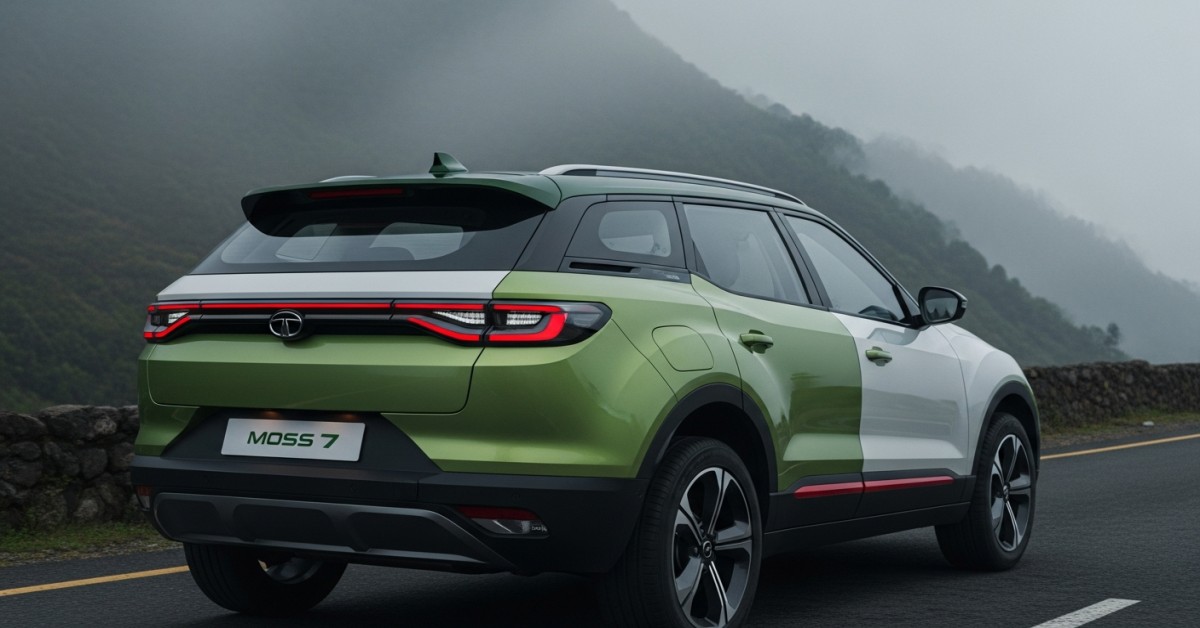
If you grew up in the 90s in India, the name “Tata Sierra” evokes a very specific emotion. It was cool, it was rugged, and it was lightyears ahead of its time. But it disappeared, leaving a void in the hearts of SUV lovers.
Fast forward to 2025, and the king is back. But this time, it isn’t drinking diesel—it’s running on pure electricity.
As an EV analyst who has closely tracked Tata Motors’ “Acti.ev” architecture, I can tell you that the Tata Sierra 2025 is not just another SUV launch. It is Tata’s statement piece. It bridges the gap between rugged off-road nostalgia and futuristic luxury.
In this detailed review, we will dissect the Tata Sierra 2025 EV, analyzing its real-world range, performance, and whether it justifies the hype (and the price tag).
Design: Nostalgia Meets Cyberpunk
The first thing that strikes you about the Sierra EV is that it respects its history without being trapped in it. Tata has retained the iconic “Alpine Windows”—those curved glass windows at the rear that wrap into the roof. It is the signature of the Sierra.
However, the rest of the car is thoroughly modern. It sits on the Gen-2 pure EV architecture, which means the wheels are pushed to the corners, maximizing interior space. The front fascia features the connected LED DRL strip (now a Tata signature), but the stance is boxy, upright, and muscular. Unlike the curvy Nexon or the coupe-style Curvv, the Sierra means business. It looks like a proper, old-school SUV that has been sent back from the future.
Interior: The “Lounge” Experience on Wheels
This is where Tata is changing the game. The concept version showcased a “Lounge” seating layout, and the production model retains much of that airy feeling.
The dashboard is minimalist, dominated by a massive 12.3-inch touchscreen infotainment system and a 10.25-inch digital instrument cluster. But the real luxury is in the rear. With the massive glass roof and the signature side windows, the rear seat experience is claustrophobia-proof.
Key Tech Features:
- Level 2 ADAS: Adaptive Cruise Control, Lane Keep Assist, and Emergency Braking are standard on top variants.
- V2L (Vehicle to Load): You can use the car’s battery to power your camping gear or laptop—a feature essential for a lifestyle SUV.
- Voice-Assisted Panoramic Sunroof: Because buttons are so 2020.
- Augmented Reality HUD: Navigation instructions projected directly onto the windshield.
Performance and Range: Built on Acti.ev
The Sierra EV is expected to share its powertrain DNA with the upcoming Harrier EV, sitting on the advanced Acti.ev platform. This architecture is optimized for battery density and safety.
Battery & Range Specs (Expected):
- Battery Pack: We anticipate two options—a 60 kWh pack for the mid-range and a massive 80 kWh pack for the long-range version.
- Range: The larger battery should deliver a claimed MIDC range of 500 km to 550 km. In the real world, expect a solid 380-420 km, which is more than enough for inter-city travel.
- Motor: A front-wheel-drive setup will be standard, but for the true enthusiasts, Tata is likely to offer a Dual-Motor AWD (All Wheel Drive) version. This would make the Sierra a genuine off-roader, capable of handling slush and sand.
Charging: The Sierra will support fast charging up to 150 kW. This means you can juice up from 10% to 80% in under 40 minutes at a suitable DC fast charger.
Read More: Škoda Kodiaq
Pros & Cons: The Critical Analysis
As an automotive writer, I believe in being objective. No car is perfect.
Pros:
- Design Uniqueness: It stands out in a sea of identical-looking crossovers. The road presence is immense.
- Rear Seat Comfort: The “Lounge” concept offers arguably the best rear-seat experience in its segment.
- AWD Capability: If launched, the AWD variant will be a game-changer for EV enthusiasts who love adventure.
- Tech Loaded: From V2L to ADAS, it is future-proof.
Cons:
- Price: This will not be cheap. It sits in the premium bracket.
- Wait Times: Given Tata’s recent history with popular models, expect long waiting periods at launch.
- Touch Controls: Tata is moving towards touch-sensitive panels for AC controls. While they look sleek, they can be distracting to use while driving compared to physical buttons.
Tata Sierra 2025 Price in India & Launch Date
Now, the big question: How much will it damage your wallet?
The Tata Sierra 2025 will be positioned above the Curvv EV and likely alongside or slightly below the Harrier EV.
- Estimated Price: ₹22 Lakh to ₹30 Lakh (Ex-showroom).
- Launch Timeline: We expect a festive season launch (October-November) in 2025.
Conclusion: Should You Wait?
If you are looking for a city runabout, buy the Punch EV or Nexon EV today. But if you are looking for a “Lifestyle Vehicle”—a car that serves as a daily driver on weekdays and an adventure machine on weekends—then the Tata Sierra 2025 is worth the wait.
It brings emotional value that competitors like the Hyundai Creta EV or Maruti eVX simply cannot match. The Sierra isn’t just a car; it’s a cult classic reborn.
What do you think? Will the new electric avatar do justice to the legendary Sierra badge? Let me know in the comments below!
Frequently Asked Questions (FAQs)
Will the Tata Sierra EV have 4×4 or AWD?
Yes, it is highly likely that the top-spec variant of the Tata Sierra EV will feature a Dual-Motor AWD setup, making it capable of mild off-roading.
What is the real-world range of the Tata Sierra EV?
While the certified range might exceed 500 km, you can expect a real-world driving range of approximately 380 km to 420 km on a full charge, depending on driving conditions and AC usage.
Is the Tata Sierra EV bigger than the Harrier?
In terms of length, the Sierra is expected to be slightly shorter or similar to the Harrier (around 4.4 meters), but it will likely offer better interior space utilization due to its boxy design and dedicated EV platform.
When can I book the Tata Sierra EV?
Official bookings have not started yet. We expect Tata Motors to open bookings closer to the launch date, likely in late 2025.