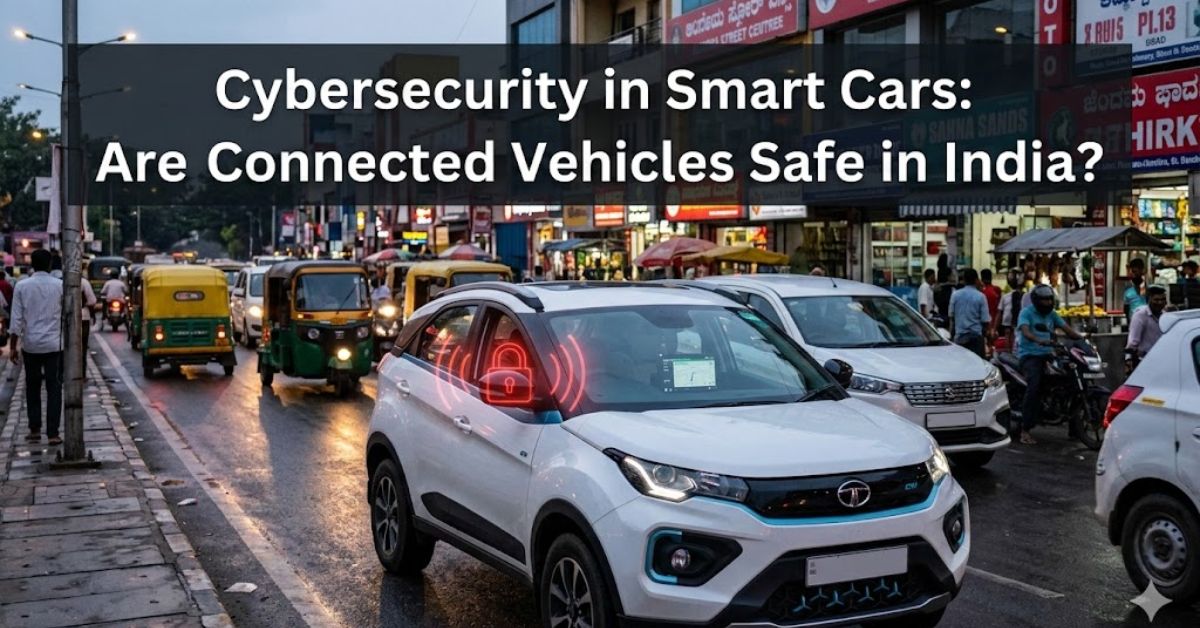
The idea of a car that talks to traffic signals, updates itself over the internet, and helps you avoid traffic sounds amazing. However, with such advanced technology comes a hidden risk: cybersecurity threats. As smart cars — especially connected vehicles and electric models — become more common in India and around the world, experts and regulators are raising questions about how safe these vehicles really are from hackers. This article explores what’s happening now, why cybersecurity matters for your car, what India is doing, and what drivers should know about digital car safety.
What Are Smart Cars and Why Cybersecurity Matters
Smart cars are vehicles equipped with internet connectivity, advanced software systems, and sensors that communicate with external networks (like mobile apps, cloud platforms, or other vehicles). These features make driving easier and safer, but they also create digital entry points that hackers can potentially exploit. Modern connected vehicles have dozens of computers controlling everything from navigation and infotainment to braking and steering systems. When these systems communicate over the internet or apps, they become part of a larger digital network — and that network can be targeted by cyber threats.
Cybersecurity in smart cars isn’t just about data privacy — it can affect real-world safety. Vulnerabilities could allow attackers to access personal data like your location or even interfere with vehicle functions if proper safeguards are not in place.
Real Risks and Recent Concerns
Globally, security researchers have demonstrated how connected vehicles can be vulnerable. In recent years, bugs in mobile apps and backend systems have let attackers access vehicle data or remote features — in one known case, researchers accessed climate control and trip data using only a vehicle’s unique identification number (VIN). These aren’t just theoretical threats; cybersecurity events in the automotive world continue to highlight the evolving risk landscape.
In smart cars, some common entry points for cyberattacks include vehicle networks, over-the-air (OTA) software updates, and telematics systems that link cars to cloud services and mobile apps. If these systems lack strong protection, hackers can track vehicles, steal data, or potentially disrupt normal operations.
India’s Move Toward Safer Connected Vehicles
In India, concerns around automotive cybersecurity are gaining attention as connected vehicles enter the mainstream. The automotive industry and government bodies have started focusing on regulatory standards that mandate cybersecurity protections for vehicles sold in the country. India’s Centre for Automotive Standards has introduced regulations such as AIS-190, aligning with global frameworks to enforce cybersecurity risk management systems for smart and connected vehicles from 2026.
At major industry forums like the recent Symposium on International Automotive Technology, experts highlighted cybersecurity as a key challenge for smart mobility, alongside other technology advancements like advanced driver assistance systems (ADAS).
What Automakers and Experts Are Doing
Car manufacturers worldwide — and increasingly in India — are investing in stronger security solutions. This includes encryption technologies, intrusion detection systems that monitor unusual behaviour on internal vehicle networks, and frameworks that follow global standards like ISO/SAE 21434 or UNECE R155 for lifecycle cybersecurity engineering.
Some industry players also emphasise the use of advanced technologies like PKI (Public Key Infrastructure) to authenticate and encrypt communications between vehicle systems and external services, reducing the chances of unauthorized access.
Why This Matters for Indian Drivers
India’s roads are seeing more connected cars, electric vehicles, and software-driven mobility services than ever before. As convenience and connectivity grow, so does the need for better cybersecurity. Without proper protection, drivers could face data theft, privacy breaches, and even safety risks if critical systems are compromised.
For individual car owners, it’s important to stay updated with vehicle software, use secure mobile apps from trusted sources, and be cautious about sharing personal data. But the broader solution lies in strong engineering practices by automakers, firm enforcement of standards by regulators, and continued public awareness about digital safety in vehicles.
What Happens Next
As smart cars become a normal part of everyday life in India, the focus on cybersecurity will only increase. Starting in 2026, cybersecurity requirements will be mandatory for connected vehicles under new Indian standards. At the same time, global and domestic cybersecurity research is identifying new threats and defence techniques, from secure coding practices to artificial intelligence systems that detect attacks in real time.
Read More : Blockchain in Automotive Industry 2026
India’s automotive cybersecurity ecosystem is evolving — but drivers, manufacturers, and regulators must work together to make sure cars are safe not just from physical accidents, but also from digital threats.
FAQs (Frequently Asked Questions)
1. Can hackers really break into modern smart cars?
Yes. Security research has shown that vulnerabilities in vehicle software, apps, and backend systems can be exploited if proper protections are not in place.
2. Does cybersecurity only affect electric or self-driving vehicles?
No. Any vehicle with internet connectivity, mobile apps, or telematics systems can face cybersecurity risks, including standard connected cars.
3. What is India doing to protect cars from cyber threats?
India has introduced new regulatory standards, like AIS-190, to require cybersecurity measures in connected vehicles sold from 2026 onwards, aligning with global best practices.