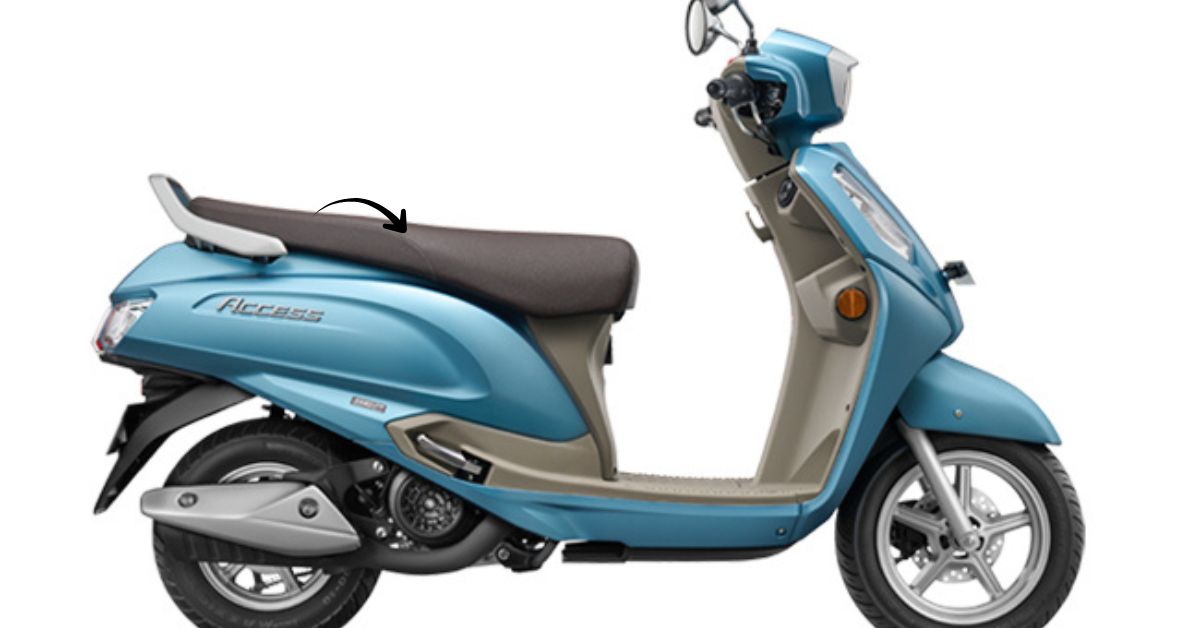
If you live in a bustling city and need a daily commuter that refuses to give up, you’ve likely heard the name “Suzuki Access.” For over a decade, it hasn’t just been a scooter; it’s been a household member for millions of Indian families. But with the market flooded with futuristic designs and electric options in 2026, does the Suzuki Access 125 still hold its crown?
Whether you are a college student buying your first ride, or a car owner looking for a nimble secondary vehicle for grocery runs, this detailed guide will tell you everything you need to know—no marketing fluff, just real-world facts.
Why the Hype?
The 125cc scooter segment is the “Goldilocks” zone of two-wheelers. It offers more power than the sluggish 100cc/110cc scooters but is more fuel-efficient and manageable than the heavy 150cc bikes.
The Suzuki Access 125 sits right at the top of this food chain. Why? Because it mastered a simple formula: Lightweight Body + Peppy Engine = Fun Ride.
Unlike some competitors that feel like heavy plastic sofas, the Access feels like a nimble athlete. It’s quick off the line, easy to park, and surprisingly comfortable. Let’s dive deep into what makes this machine tick.
Engine & Performance: The Heart of the Beast
At the core of the Access is Suzuki’s proprietary SEP (Suzuki Eco Performance) technology.
The Stats That Matter
- Engine: 124cc, 4-Stroke, 1-Cylinder, Air-Cooled
- Power: ~8.7 PS @ 6750 rpm
- Torque: ~10 Nm @ 5500 rpm
- Fuel System: Fuel Injection (FI)
Real-World Experience
Numbers on paper are boring. Here is how it feels on the road:
When you twist the throttle at a traffic signal, there is no lag. The Access 125 is famous for its initial pickup. You will often find yourself ahead of the traffic pack within seconds of the light turning green.
For Beginners: The power delivery is linear. It won’t jerk or scare you; it just pulls smoothly.
For Experts: You will appreciate the mid-range punch. Overtaking a bus or an auto-rickshaw at 40-50 km/h is effortless. You don’t need to “plan” your overtakes; you just twist and go.
Design and Ergonomics: Retro Meets Modern
The Access 125 doesn’t look like a spaceship (unlike the TVS Ntorq or Suzuki Avenis). It has a neo-retro design that appeals to everyone from an 18-year-old to an 80-year-old.
Key Design Elements:
- Chrome Headlamp Bezel: Gives it a classic, premium look.
- Long Seat: One of the longest in the segment. This is a blessing for pillion riders (passengers).
- Metal Body Parts: Unlike some fibre-heavy scooters, the Access uses a metal front fender and apron, which feels sturdier.
Comfort Check
I have ridden this scooter for 50+ km stretches, and the seat cushioning is excellent—neither too soft (which causes backaches) nor too hard. The floorboard is spacious enough to carry a medium-sized travel bag or your weekly grocery sacks without cramping your legs.
Features & Technology: Keeping Up with the Times
Suzuki has updated the Access significantly to keep it relevant in the smartphone era. The latest Ride Connect Edition is a game-changer for tech-savvy riders.
1. Bluetooth Connectivity
You can pair your smartphone with the scooter’s digital console. It displays:
- Turn-by-turn navigation: No need to mount your phone on the handle and risk theft.
- Call/SMS/WhatsApp alerts: See who is calling without stopping.
- Phone battery level: A small but handy detail.
2. External Fuel Filler
This is a convenience feature you will love. The fuel lid is located at the back, just above the taillight. You don’t need to get off the scooter or lift the seat at petrol pumps.
- Note: You still need to take the key out to open the lid (unlike the Jupiter 125 where you can open it from the ignition slot), which is a slight annoyance.
3. LED Lighting
The headlamp provides a decent throw for city riding, though, like most scooters, it might feel a bit dim on pitch-dark highways.
Mileage: The Big Question
“Kitna deti hai?” (How much does it give?)
Suzuki claims figures upwards of 55 kmpl. However, in real-world riding conditions (mix of traffic, signals, and open roads), here is what you can realistically expect:
| Riding Condition | Mileage Estimate |
| Heavy City Traffic | 45 – 48 kmpl |
| Highway / Open Roads | 50 – 53 kmpl |
| Aggressive Riding | 40 – 42 kmpl |
Pro Tip: The “Eco Assist” light on the dashboard changes color to tell you if you are riding efficiently. Keep it in the green zone to save money!
Ride, Handling, and Stability
The Suspension
The Access uses a telescopic front fork and a swing arm rear suspension.
- The Good: It glides over minor bumps and city pot-holes effortlessly.
- The Bad: The suspension is tuned slightly on the stiffer side to aid stability. If you hit a deep crater at speed, you will feel a jolt in your spine.
Tires and Braking
- Front: 12-inch wheel (provides good stability).
- Rear: 10-inch wheel.
- Brakes: Combined Braking System (CBS). If you press the rear brake, the front brake applies automatically.
Critique: Many enthusiasts wish Suzuki would upgrade the rear wheel to 12 inches (like the Jupiter 125). The smaller 10-inch rear wheel can feel slightly “nervous” on sharp corners or wet roads, but for straight-line city commuting, it works perfectly fine.
Pros and Cons: A Quick Snapshot
| Pros (What We Love) | Cons (What Could Be Better) |
| Silky Smooth Engine: Minimal vibrations even at 60 km/h. | Rear Wheel Size: 10-inch rear wheel feels outdated. |
| Pick-up: Best-in-class acceleration for city overtakes. | Fuel Lid Mechanism: External cap still requires key removal. |
| Lightweight (103-104 kg): Very easy to handle for women and elderly. | Tech Glitches: Bluetooth connectivity can sometimes be buggy. |
| Resale Value: Suzukis hold their value well in the second-hand market. | Build Quality: Some plastic panels feel flimsy compared to the engine quality. |
Which Variant Should You Buy?
The Access 125 comes in several flavors. Here is my advice on choosing:
- Standard Edition (Drum Brake): Buy this if you are on a tight budget. It has steel wheels and halogen lights. Good for rough use.
- Special Edition (Disc Brake): The sweet spot. You get alloy wheels, a disc brake (highly recommended for safety), and chrome mirrors.
- Ride Connect Edition: Buy this ONLY if you absolutely need navigation on your dashboard. If you just use your scooter for local errands, you can save money by skipping this.
Maintenance Tips for Long Life
A scooter is like a pet; feed it well, and it will serve you loyally.
- Engine Oil: Change the oil every 2,500 – 3,000 km. Do not wait for the 5,000 km mark even if the manual says so; Indian traffic conditions are harsh.
- Air Filter: This is the scooter’s “nose.” If it’s clogged with dust, your mileage will drop drastically. Clean it at every service and replace it every 10,000 km.
- Tire Pressure: The smaller wheels are sensitive to pressure.
- Front: 22 PSI
- Rear: 29 PSI (Solo) / 36 PSI (With Pillion)
- Morning Start: If you haven’t used the scooter for a few days, use the Kick Start first before using the electric self-start. This preserves battery life.
Safety First: A Note for Buyers
- Helmets: The under-seat storage (21.8 Liters) is decent but will not fit a full-face helmet. It fits a half-face or open-face helmet easily. Do not compromise safety for storage; carry your helmet or use a helmet lock.
- Braking: Always opt for the Disc Brake variant if you can afford the slight price difference. The stopping power of a disc brake can literally save your life in an emergency.
Final Verdict
The Suzuki Access 125 is not the flashiest scooter on the market. It doesn’t have a massive touchscreen or a racing exhaust. But it does one thing better than almost anyone else: it works flawlessly.
It strikes a perfect balance between the reliability you need for a daily commute and the power you want for a weekend spin. It respects your fuel budget while ensuring you aren’t left behind at traffic lights.
Should you buy it?
- If you value performance, reliability, and ease of riding above all else: YES.
- If you want huge storage space (2 helmets) or futuristic looks: Look at the TVS Jupiter 125 or Ntorq.
For the vast majority of Indian riders, the Access 125 remains the default, safe, and satisfying choice. It’s a legend for a reason.
Read More : Ather Electric Scooter
Ready to ride? Visit your nearest showroom and take a test ride. Feel that initial pickup yourself—that’s usually the moment people decide to sign the cheque!
FAQ: Common Questions Asked by Buyers
Q1: Is the Suzuki Access 125 suitable for ladies?
A: Absolutely. It is one of the preferred choices for female riders because it is lightweight (approx 103 kg) and has a low seat height, making it easy to plant your feet on the ground.
Q2: Can I take the Access 125 on the highway?
A: Yes, for short highway runs (20-50 km). It can comfortably cruise at 70-80 km/h without the engine feeling stressed. However, it is not designed for long-distance touring.
Q3: Does it have a mobile charging port?
A: Yes, for short highway runs (20-50 km). It can comfortably cruise at 70-80 km/h without the engine feeling stressed. However, it is not designed for long-distance touring.
Q4: How does it compare to the Honda Activa 125?
A: The Honda Activa 125 is smoother and quieter but feels lazier and heavier. The Suzuki Access 125 is peppier, faster, and more fun to ride. If you want comfort, go for Activa. If you want performance, go for Access.
Q5: Is the service cost high?
A: No. Suzuki parts are reasonably priced. A general paid service (oil change + consumables + labor) will cost you anywhere between ₹800 to ₹1,200.